

DAC4EU: Six Years of Innovation for European Rail Freight
The Digital Automatic Coupling (DAC) is regarded as a key technology for the modernization and digitalization of European rail freight transport. It connects freight wagons mechanically and pneumatically as well as enables continuous power supply and data communication throughout the train. In doing so, it creates essential prerequisites for more efficient operations and longer, heavier, and faster freight trains.
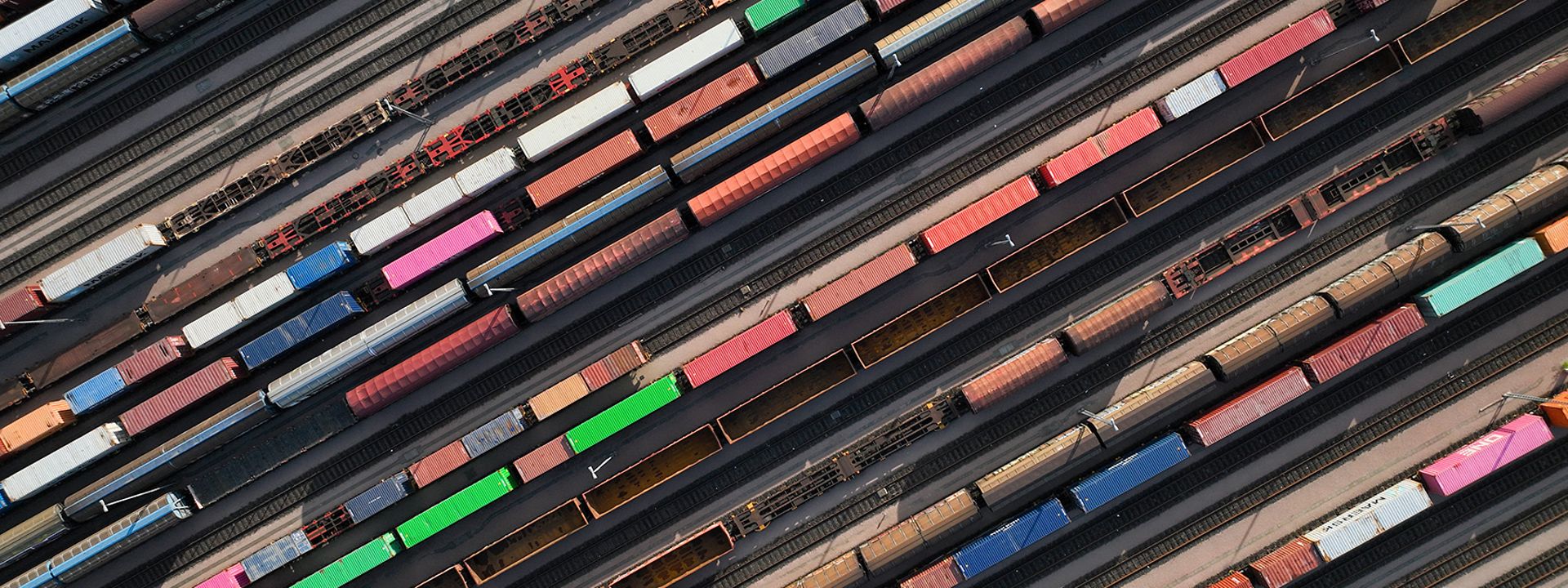
From June 2020 to June 2026, the DAC4EU consortium comprehensively tested and validated the DAC in six successive project phases under real operating conditions. Based on these findings, manufacturers were able to further develop and optimize their systems. The consortium was led by Deutsche Bahn AG as the coordinating partner. Other participants included DB Cargo, Rail Cargo Austria, and SBB Cargo, as well as the wagon keepers Ermewa, GATX Rail Europe, and VTG Rail Europe. Together, the partners contributed experience gained from operating more than 220,000 freight wagons in European rail freight transport.
The German Federal Ministry for Transport funded the operational implementation of the project with approximately €30 million. In addition, the consortium invested more than €2 million in over 50 DAC prototypes and other technical components. More than 200 employees from the project partners contributed their expertise through approximately 36,000 working hours.
At the beginning of the project, different coupling systems from various manufacturers were systematically tested. The results provided an important basis for the European decision within the European DAC Delivery Programme (EDDP) in favor of the Scharfenberg design. Subsequently, a demonstrator train consisting of 24 freight wagons was assembled. It covered more than 15,000 kilometers across Germany and eleven other European countries. This enabled the consideration of different infrastructures, climatic conditions, and operational procedures.
The test program included more than 4,000 coupling operations under varying speeds, loading conditions, and track geometries. Additional activities included line-haul and shunting operations, hump yard testing, winter tests in snow and ice, and climate chamber tests at temperatures ranging from -20°C to +45°C. At the same time, the power supply system, data communication, and the interaction of components from different manufacturers were examined. The testing and verification procedures developed during the project have since become important references for new DAC systems across Europe.
As the project progressed, it became apparent that the development of the DAC required more time and additional testing than originally anticipated. Consequently, DAC4EU was gradually expanded through additional project phases. The continuous exchange between railway undertakings, wagon keepers, manufacturers, research institutions, and assessment bodies played a decisive role in improving the systems and increasing their level of technical maturity.
In its final stage, DAC4EU focused on component qualification and testing under commercial operating conditions. For this purpose, a train consisting of eleven freight wagons and one locomotive was fully retrofitted with DAC technology, approved, and successfully commissioned at the Westfälische Landes-Eisenbahn (WLE). In doing so, DAC4EU realized the first fully functional DAC train in commercial operation in Europe.
The project demonstrated that the DAC functions as a foundation for the digitalization and automation of rail freight transport. Although individual components and processes still require further optimization, a level of maturity has been achieved that enables the next steps toward commercial trials, certification, and Europe-wide deployment.
DAC4EU therefore represents six years of intensive collaboration, significant technical progress, and a decisive step toward a more efficient, competitive, and future-ready European rail freight system.

 Go
Go